Integrations
The Connective Tissue Your Tech Stack Needs
Most businesses run 5–15 tools that don't talk to each other. Data gets re-keyed, records fall out of sync, and teams maintain shadow spreadsheets to bridge what the systems can't.
We build the integrations that turn a collection of tools into an actual system.
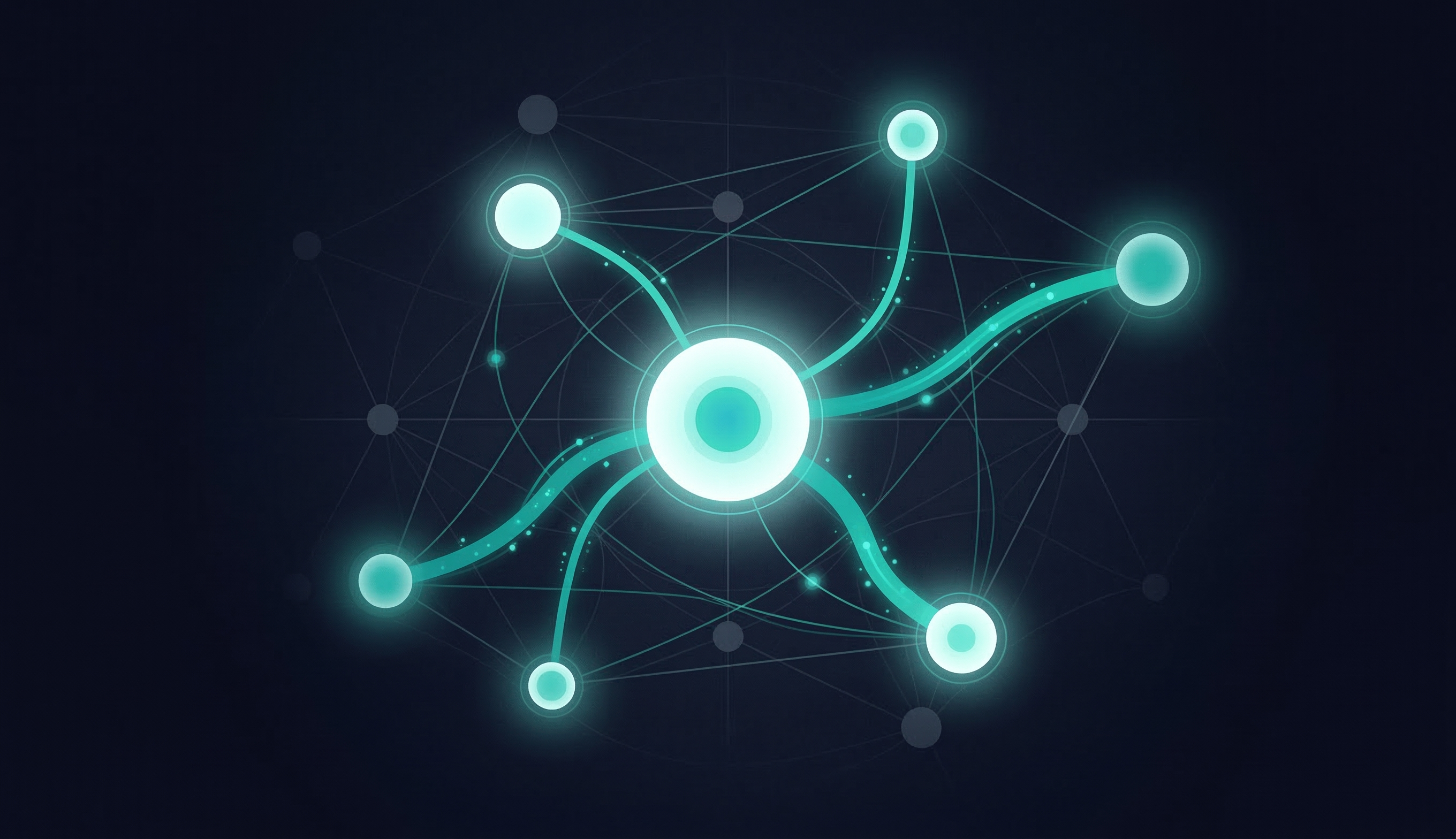
Your Tools Don't Talk to Each Other
You have a CRM for customer data. A marketing platform for campaigns. A project management tool for delivery. A data warehouse for analytics. A support platform for tickets. Maybe an ERP for operations.
Each tool does its job. But between them, there are gaps — places where data has to be manually moved, re-entered, or reconciled. A lead closes in HubSpot but the project doesn't get created in Monday until someone copies the details over.
These gaps cost more than efficiency. They create conflicting data, delayed decisions, and a persistent sense across your team that nobody is looking at the same version of the truth.
We build the integrations that close these gaps — not generic connectors that sync a few fields, but custom middleware that understands your data model, your workflows, and the specific ways your tools need to communicate.



Platforms We Integrate
If it has an API, we can integrate it. These are the platforms our clients most commonly need connected.
CRM & Sales
Data & Analytics
Project Management & Ops
Marketing & Communication
Support & Service
Don't see your platform? If it has an API, we can integrate it. These are starting points, not limits.
How We Connect Your Stack
Every integration project is different, but the patterns are consistent. Here are the most common types of integrations we build.
How We Work
Map
We audit your current stack — every tool, every data flow, every manual workaround. We document where data moves, where it doesn't, and where the gaps are creating problems. This map becomes the foundation for everything we build.
Architect
We design the integration topology: which systems connect to which, what data flows where, how conflicts are resolved, and where automation replaces manual steps. You review the architecture before we write a line of code.
Build & Test
We develop the integrations, test data integrity across every connection, validate sync logic, and ensure error handling works for every edge case we can identify. We test with your real data structures, not generic samples.
Monitor & Scale
We deploy your integrations with monitoring in place — error alerts, sync status dashboards, and performance tracking. As your stack evolves (new tools, new workflows, new data requirements), we expand and adapt the integration layer.
Map
We audit your current stack — every tool, every data flow, every manual workaround. We document where data moves, where it doesn't, and where the gaps are creating problems. This map becomes the foundation for everything we build.
Architect
We design the integration topology: which systems connect to which, what data flows where, how conflicts are resolved, and where automation replaces manual steps. You review the architecture before we write a line of code.
Build & Test
We develop the integrations, test data integrity across every connection, validate sync logic, and ensure error handling works for every edge case we can identify. We test with your real data structures, not generic samples.
Monitor & Scale
We deploy your integrations with monitoring in place — error alerts, sync status dashboards, and performance tracking. As your stack evolves (new tools, new workflows, new data requirements), we expand and adapt the integration layer.
Show Us Your Stack
Tell us what tools you're running, where the gaps are, and what you wish worked differently. We'll map out the integration architecture and show you what a connected stack looks like for your specific operation.